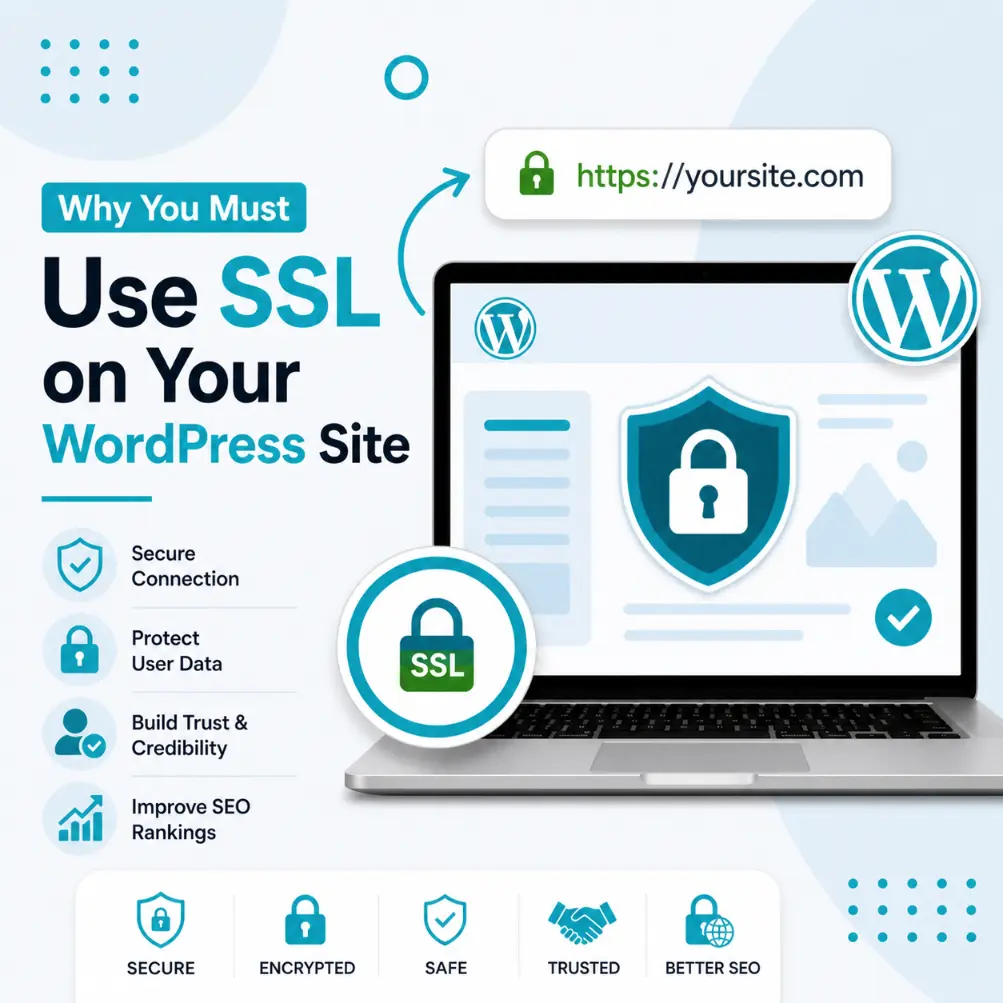
Why You Must Use SSL on Your WordPress Site
Recent Posts If your WordPress site still runs on http:// rather than https://, visitors are seeing “Not Secure” in their browser address bar. Google is penalising your search rankings. Form

Recent Posts If your WordPress site still runs on http:// rather than https://, visitors are seeing “Not Secure” in their browser address bar. Google is penalising your search rankings. Form
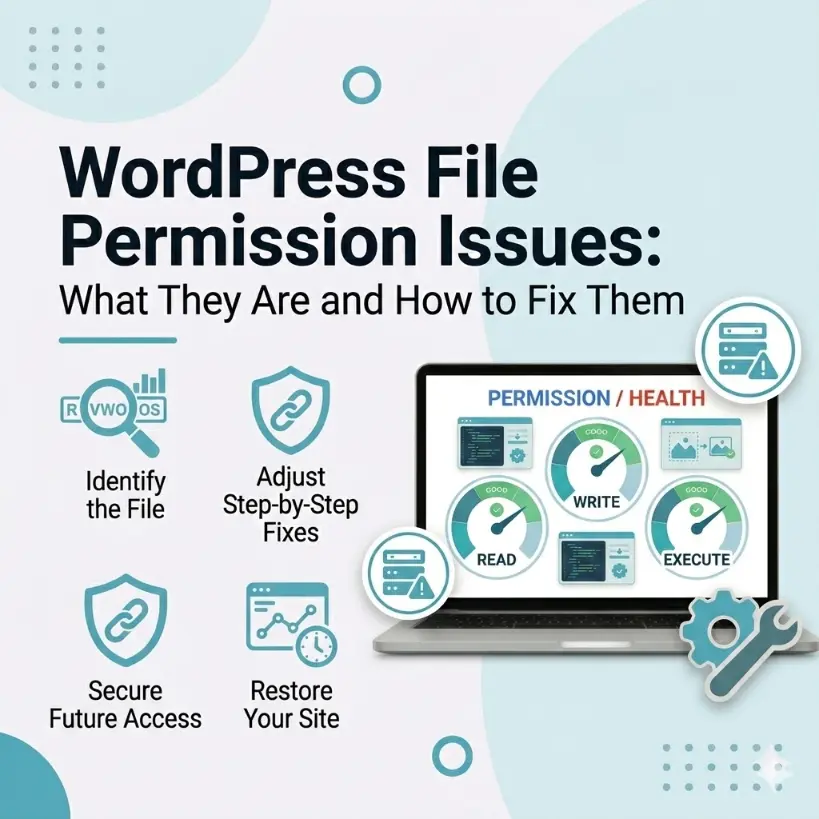
Recent Posts File permissions control who can read, write, and execute files on your server. When they’re set correctly, WordPress runs smoothly and securely. When they’re wrong — either too
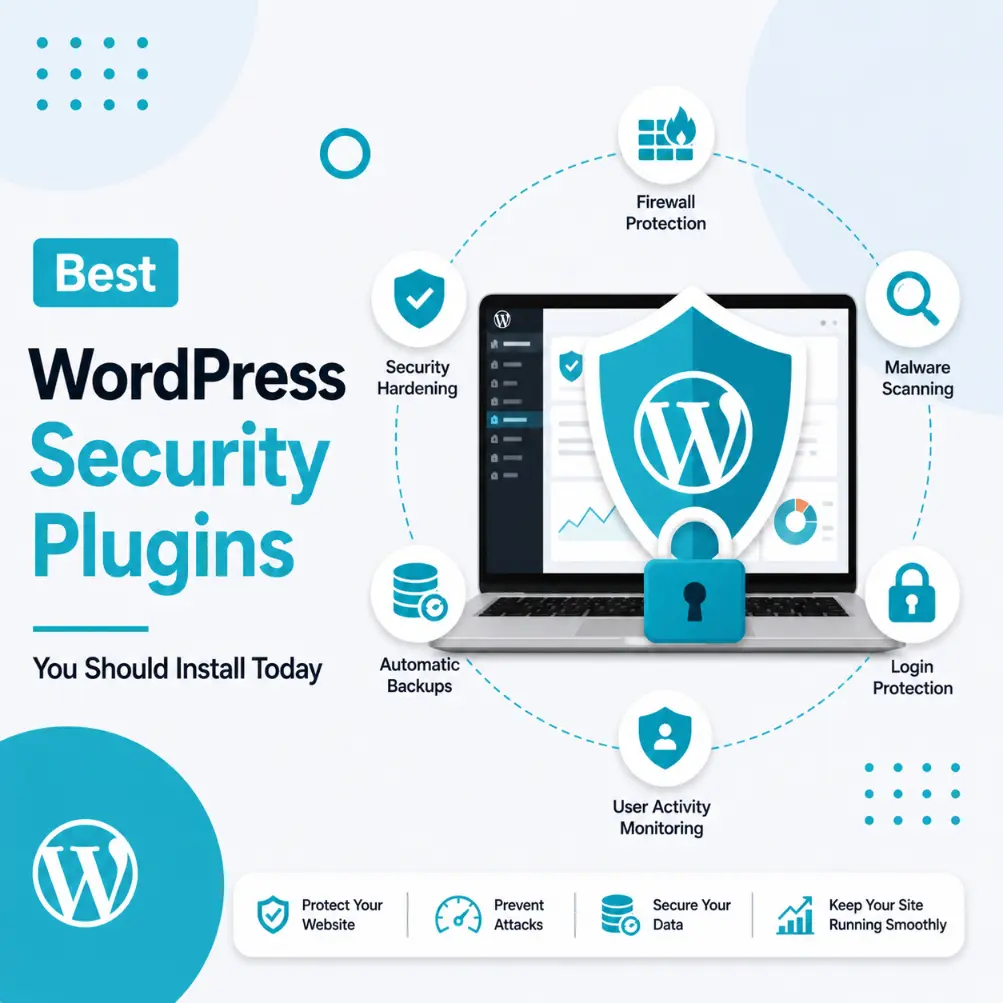
Recent Posts A WordPress security plugin is your site’s first line of automated defence — scanning for malware, blocking attacks, monitoring suspicious activity, and alerting you when something goes wrong.
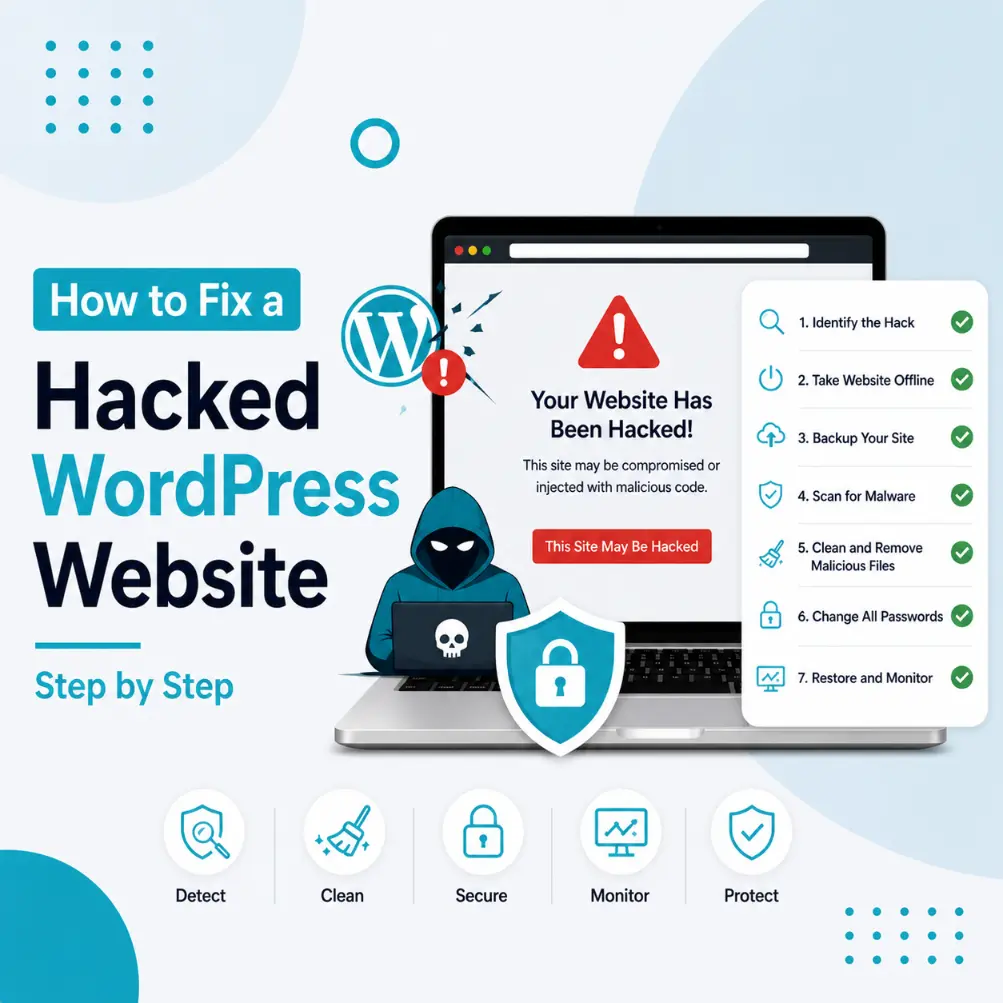
Recent Posts You’ve just discovered your WordPress site has been hacked. Maybe Google Chrome is showing a “Deceptive site ahead” warning. Maybe your hosting provider suspended your account. Maybe a
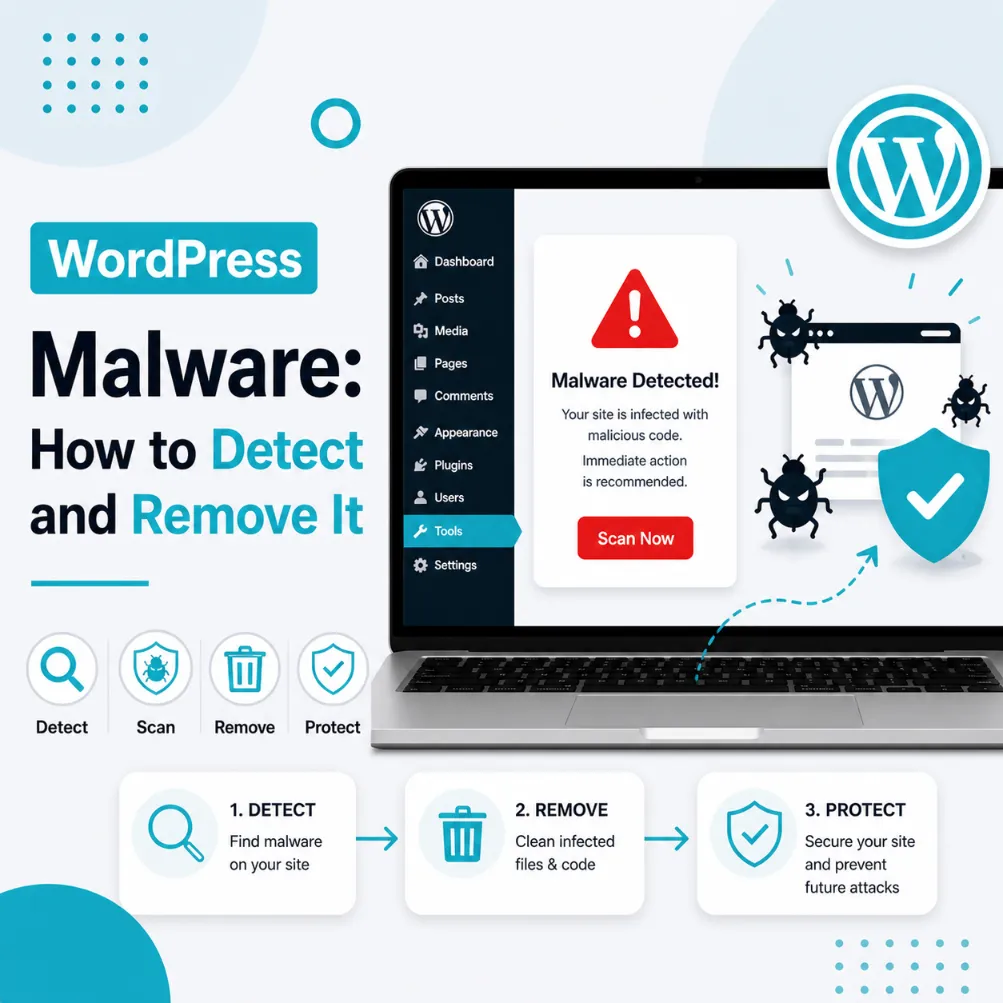
Recent Posts Malware on a WordPress site doesn’t always announce itself. Unlike a defaced homepage or a browser warning, many forms of WordPress malware operate silently — stealing data, sending
Recent Posts Right now, as you read this, automated bots are hammering WordPress login pages around the world — trying thousands of username and password combinations per minute, looking for
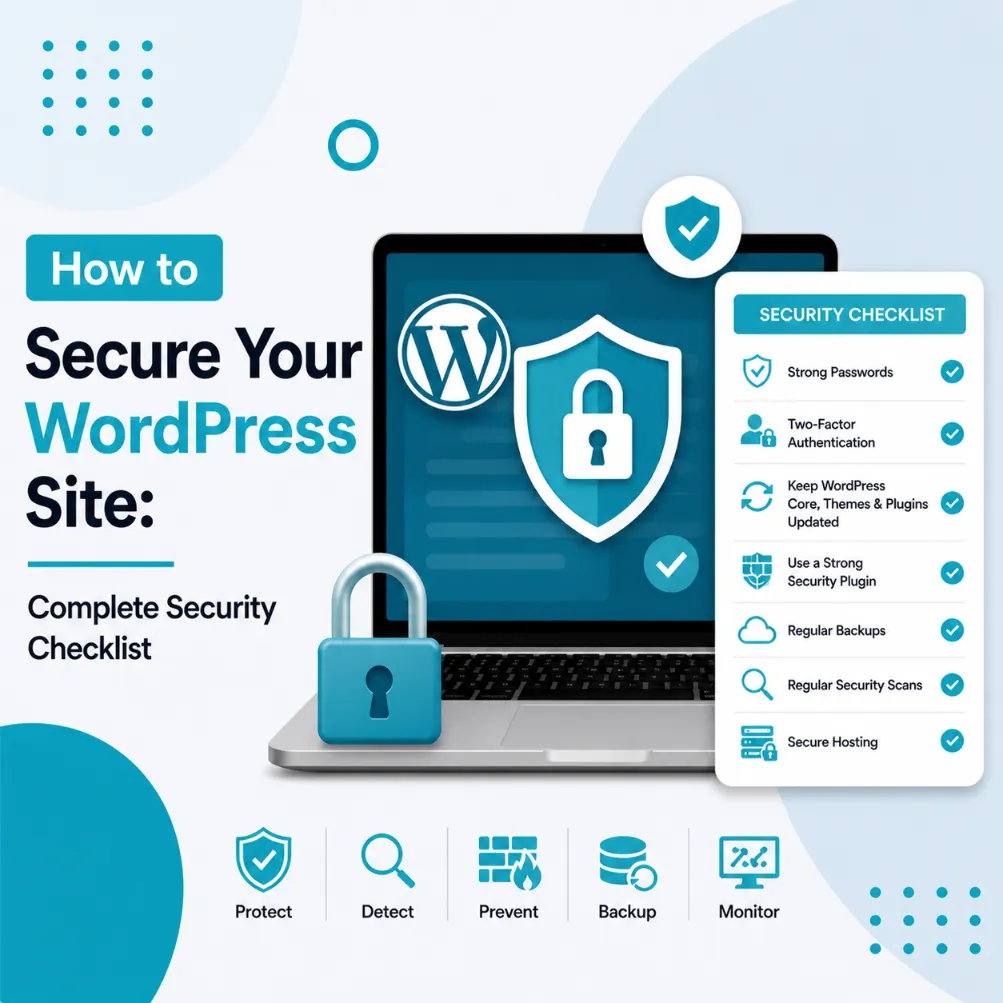
Recent Posts WordPress powers over 43% of all websites on the internet. That popularity makes it the single most targeted CMS by hackers, bots, and malicious actors in the world.
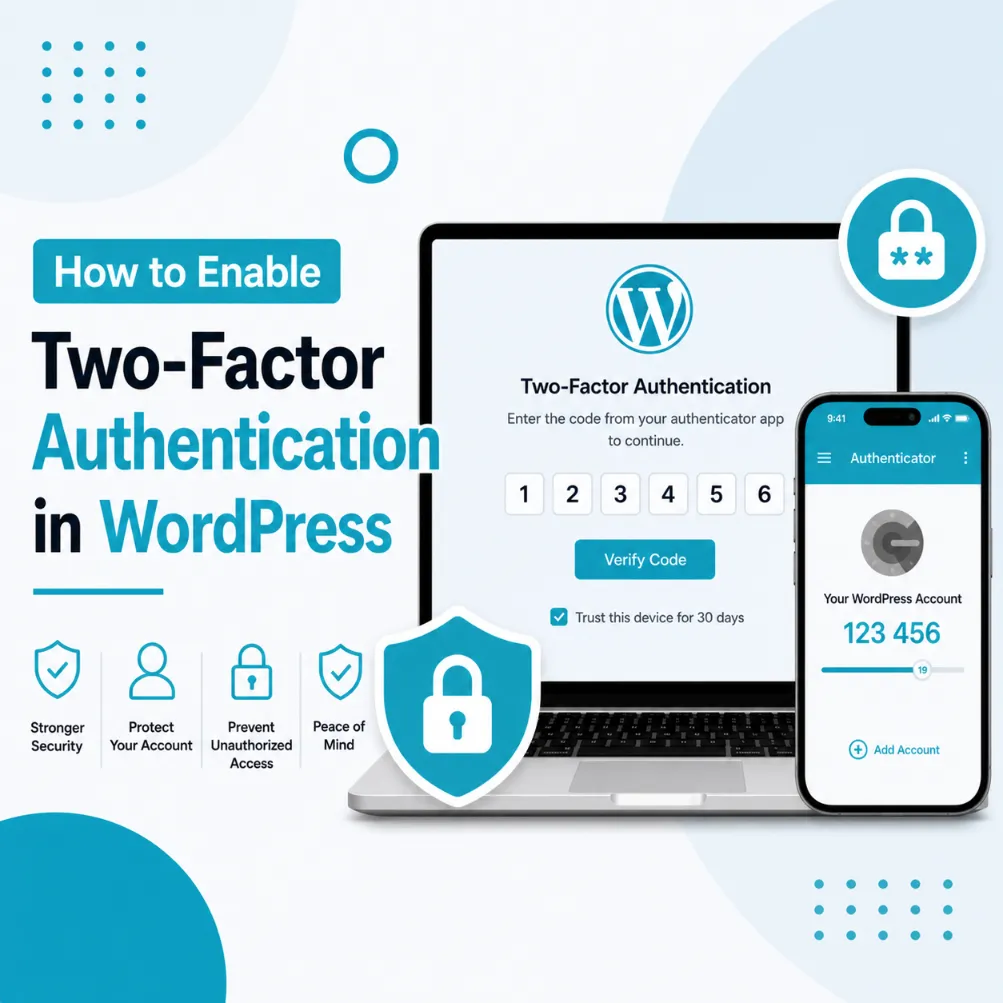
Recent Posts Your WordPress password is one line of defence between an attacker and full admin access to your site. If that password is guessed, stolen in a data breach,